September 24, 2026
A creator recommends a product. Their audience watches, reacts, comments and perhaps even buys it. Simple enough, right? Not quite. Influencer marketing has grown...


You can spend heavily on SEO, run polished ads, post consistently on social media, and still watch potential customers disappear.
Why?
Sometimes, the problem begins after the click.
A visitor lands on your website. They look around. They cannot find what they need. A page takes too long to load. The next step is unclear. On mobile, something feels awkward.
So, they leave.
That is where user experience, or UX, starts to matter. Your website is not simply a place where people read about your business. It is where your marketing efforts either keep their attention or lose it.
For a Digital marketing Agency in Dubai, this connection matters because traffic alone does not create business results. The experience that follows can influence how long people stay, what they explore, and whether they take action.
UX covers how easy and comfortable it is for someone to use your website.
Think about the last time you visited a website and immediately knew where to click. Now compare that with one where you had to hunt for basic information.
That difference is UX.
It includes:
W3C’s WCAG 2.2 guidelines also focus on making web content perceivable, operable, understandable and robust. These principles can improve accessibility while often making websites easier for people to use in general.
Getting people to your website is only the first step.
SEO can bring visitors through search. Paid campaigns can bring clicks. Social media can send curious users your way.
But what happens next?
If visitors struggle to use the page, some of that hard-earned traffic can go nowhere.
Google itself recommends paying attention to page experience, including Core Web Vitals, mobile display, HTTPS security and intrusive elements. Google also makes it clear that good page experience alone does not guarantee higher rankings.
So, think beyond “How do we get more visitors?”
Ask:
“What happens when they arrive?”
That small shift can change how you approach your entire digital marketing strategy.
Nobody enjoys waiting for a website to load.
More importantly, Google measures real-world user experience through Core Web Vitals. These currently focus on:
Google recommends an LCP of 2.5 seconds or less, INP below 200 milliseconds, and CLS of 0.1 or less for a good user experience.
These numbers may sound technical.
The user experience behind them is simple:
Does the page load quickly?
Does it respond when I click?
Does everything stay where I expect it to be?
If the answer is no, frustration can arrive before your message does.
Imagine finding the perfect service page through Google.
You want to know the pricing. You look for a contact button.
Nothing.
You check the menu. Still nothing obvious.
You scroll. And scroll.
That is a UX problem.
Clear navigation helps visitors move naturally between pages. It also makes your content easier to discover.
For example:
Homepage → Service → Case Study → Contact
is a much clearer journey than forcing someone to figure out where to go next.
And that matters for engagement. The easier it is to find useful information, the more reasons visitors have to keep exploring.
Your desktop website might look fantastic.
Then someone opens it on a phone.
The text is tiny. Buttons are difficult to tap. Images push the content around. A form takes forever to complete.
Suddenly, that polished website feels very different.
Google recommends that websites work well across devices, and its developer guidance specifically advises site owners to make websites secure, fast, accessible and usable across devices.
So, do not judge your website only from your laptop.
Open it on your phone. Try to complete a task.
Can you find a service?
Can you contact the business?
Can you read the page without zooming?
That little test can reveal a lot.
There is another piece that often gets overlooked.
Your website is part of your brand experience.
A clean, easy-to-use website can make a business feel organised and credible. A confusing one can create doubts, even when the business itself is excellent.
That is why UX often overlaps with branding, content and development.
A Branding agency in Dubai may shape how your business looks and sounds. A Web Development Company in Dubai can turn that vision into a working website. Meanwhile, your online marketing agency in Dubai can bring people to it.
The real challenge is making all three work together.
Before spending more on traffic, ask yourself:
Can a first-time visitor understand what we do within seconds?
Can they find the information they need without hunting for it?
Does the website work comfortably on mobile?
Do our pages load quickly and respond properly?
Is every important page guiding visitors towards a clear next step?
If several answers are “not really,” your next marketing improvement may not be another campaign.
It may be your website.
And if you are already working on SEO, it is worth looking at the connection between search intent and website experience too. For more ideas, check out our recent post, 4 Hidden Ways to Find Keyword Opportunities Your Competitors Missed.
Your marketing gets people through the door.
Your website experience gives them a reason to stay.
That is why Digital marketing Agency in Dubai services should not be viewed separately from UX, website development and conversion strategy. Traffic, engagement and conversions are connected by what happens on the page.
Want to make your website work to its full potential? Talk to Elevate Digital Services about your digital marketing and website requirements.
1. How does website UX affect SEO and digital marketing?
Website UX can influence how easily visitors use and engage with your pages. Google also considers aspects of page experience within its broader ranking systems, including Core Web Vitals. However, good UX does not guarantee higher rankings on its own.
2. What are the most important UX factors for a business website?
Start with the basics: page speed, mobile usability, clear navigation, readable content, accessible design, useful CTAs and simple forms. These areas can remove common points of friction for visitors.
3. Can poor website UX reduce conversions?
Yes. If visitors cannot find information, understand your offer or complete an action easily, they may abandon the journey. Improving those friction points can create a clearer path towards enquiries, purchases or signups.
4. How can I improve user experience on my mobile website?
Test your website on real mobile devices. Check loading speed, text size, navigation, button sizes, forms, images and page layout. Also review your Core Web Vitals data to identify performance issues.
5. Should UX be part of my digital marketing strategy?
Yes. Your marketing brings people to your digital properties, while UX shapes what happens after they arrive. Bringing SEO, content, advertising, branding and website experience together can create a more consistent customer journey.
A creator recommends a product. Their audience watches, reacts, comments and perhaps even buys it. Simple enough, right? Not quite. Influencer marketing has grown...
Search has changed. Yet many brands are still optimizing as if every customer starts with Google. Today, someone might discover your brand on TikTok,...
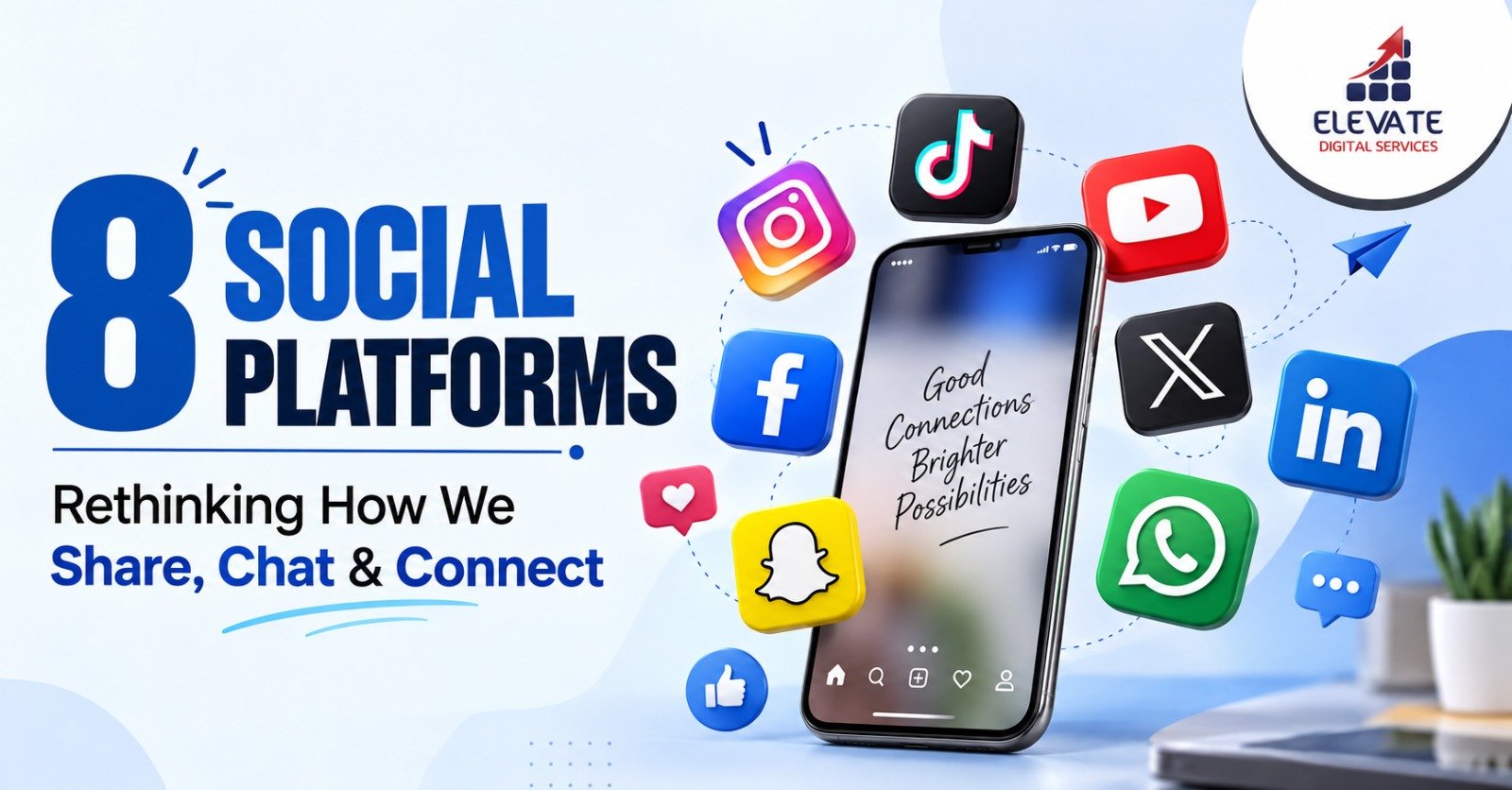
Social media has become a huge part of how people discover content, follow trends, promote businesses and stay connected. But the familiar names are...