September 24, 2026
A creator recommends a product. Their audience watches, reacts, comments and perhaps even buys it. Simple enough, right? Not quite. Influencer marketing has grown...

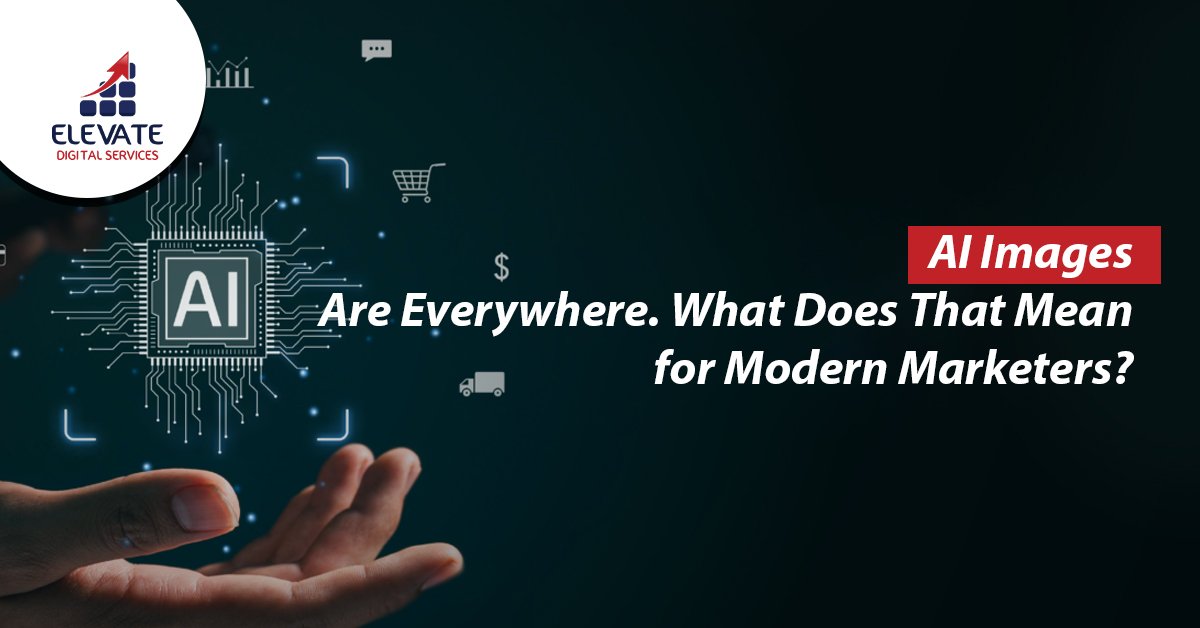
Scroll through social media for long enough and you will probably see one.
A hyper-realistic product shot. A surreal campaign visual. A fictional character that looks like it belongs in a movie. And sometimes, an image that makes you stop and ask:
“Wait. Is that real?”
AI-generated images have moved quickly into mainstream marketing. Today, brands can create new visuals in seconds using generative AI in marketing, often without a traditional photoshoot for every concept.
That speed is exciting. However, it also raises a bigger question: how should marketers use these images without losing accuracy, originality or audience trust?
The appeal is fairly easy to understand.
AI image tools can turn a written idea into a visual concept in seconds. They can also help marketers explore multiple creative directions without producing every version through a traditional design process.
That makes experimentation easier.
A marketer could test different visual concepts for a campaign, create early moodboards, develop social media concepts or produce variations of an existing creative.
Google, for example, now offers generative image features inside Google Ads for eligible advertisers, allowing users to create image assets using prompts.
As a result, AI marketing tools are becoming part of the creative workflow rather than something marketers only experiment with on the side.
The use cases are already broad.
Marketers can use AI-generated visuals for:
However, there is an important distinction.
Generating an image is easy. Knowing when that image is right for a campaign takes judgment.
A polished image can still show the wrong product, create a misleading impression or simply feel completely out of place for the brand.
That is why human review still matters.
The AI Image Looks Great. So What Could Go Wrong?
This is where the conversation gets more interesting.
AI-generated visuals can contain details that look convincing but are inaccurate. For product marketing, that can become a serious problem if the image suggests a product has features, materials or specifications that it does not actually have.
Google’s own guidance tells advertisers to review generated assets for accuracy, misleading content and compliance before using them in campaigns.
A brand should still look like itself.
If every campaign uses a different visual style simply because an AI tool produced something interesting, the brand can quickly lose visual consistency.
AI-generated or AI-edited advertising is also entering a more regulated space.
Google says that, starting in July 2026, certain AI-generated or edited ad assets may need labels, with specific disclosure requirements applying in markets including India, the European Union and New York.
So, marketers need to pay attention to the rules that apply to their campaigns and markets.
There is also growing interest in showing where digital content came from and how it was changed.
The C2PA Content Credentials standard, for example, provides a way to record provenance information about digital media, including AI-generated content.
Using AI images responsibly does not need to become complicated.
A simple review can catch many problems:
1.) Is the image accurate?
Does it show the product, service or situation honestly?
2.) Does it look like our brand?
Check the style, colours, tone and overall visual language.
3.) Could someone misunderstand what they are seeing?
If yes, rethink the image or make the context clearer.
4.) Do we need to disclose AI use?
Check the requirements of the platform, campaign and target market.
5.) Have we checked usage rights and the tool’s terms?
Do not assume that every generated image can be used for every commercial purpose.
6.) Does AI actually improve this creative?
Sometimes a real photograph, illustration or designer-made visual will still communicate the idea better.
For a Digital Marketing Agency In Dubai, these developments create an interesting opportunity.
AI can help creative teams explore ideas faster. Yet strategy, brand understanding and editorial judgment still sit at the centre of good marketing.
That is also why simply calling yourself a Top 10 digital marketing agency in Dubai or a Top digital marketing agency in Dubai does not tell a client much about how well you use AI.
The better question is: Can your marketing team use these tools while still making better creative decisions?
At Elevate Digital Services, we see AI as part of a wider digital marketing toolkit. The goal is to use the technology where it adds value while keeping strategy and human judgment firmly involved.
Looking to bring smarter creative processes into your marketing? Talk to Elevate Digital Services about how AI can fit into your wider digital strategy.
The rise of AI-generated images for marketing gives brands more ways to explore, test and communicate ideas.
Still, the most useful image is not necessarily the most impressive one.
It is the one that fits the message, represents the brand accurately and gives the audience a reason to pay attention.
That idea fits neatly with our recent post, “The Marketing Playbook Hidden Inside the 2026 FIFA World Cup.” Big campaigns still depend on understanding audiences, timing, creative ideas and the context around the message. AI can help produce the assets. Marketers still need to decide what deserves to be created.
And for businesses looking at their wider digital presence, Elevate also offers support as a Digital marketing agency in UAE, helping brands bring technology, content and marketing strategy together.
Ready to explore what AI could add to your marketing? Connect with Elevate Digital Services and start with the campaign goal, not just the latest tool.
Sources & References
1. How marketers can use AI-generated images effectively?
Marketers can use them for campaign concepts, social media content, ad variations, moodboards and other creative tasks. The final image should still go through human review for accuracy, brand fit and platform requirements.
2. Are AI-generated images good for marketing?
They can be. The benefits of AI-generated images for marketers include faster ideation and the ability to explore multiple creative directions. However, quality depends on the prompt, tool, review process and intended use.
3. What are the risks of using AI-generated images?
The main risks include inaccurate visuals, misleading representations, inconsistent branding, inappropriate content and possible issues around rights or disclosure. Platform rules and local regulations can also apply.
4. How to use AI images for brand marketing without losing authenticity?
Start with the brand’s visual identity and campaign goal. Then use AI to support that direction rather than allowing the tool to define the entire creative style.
5. What should marketers know about AI-generated images and copyright?
Copyright rules around AI-generated material can vary by country and depend on factors such as human contribution and the way source material is used. Marketers should also review the terms of the AI tool they use and check third-party material before commercial use.
6. Can AI images replace traditional marketing photography?
Not in every situation. AI can be useful for concepts, variations and creative experimentation. However, real photography can still be the better choice when accuracy, physical products, people or authentic brand experiences are central to the campaign.
A creator recommends a product. Their audience watches, reacts, comments and perhaps even buys it. Simple enough, right? Not quite. Influencer marketing has grown...
Search has changed. Yet many brands are still optimizing as if every customer starts with Google. Today, someone might discover your brand on TikTok,...
Social media has become a huge part of how people discover content, follow trends, promote businesses and stay connected. But the familiar names are...