September 17, 2026
Search has changed. Yet many brands are still optimizing as if every customer starts with Google. Today, someone might discover your brand on TikTok,...

A creator recommends a product. Their audience watches, reacts, comments and perhaps even buys it.
Simple enough, right?
Not quite.
Influencer marketing has grown well beyond a sponsored post on Instagram. Creators now work across short-form video, long-form content, livestreams, reviews, affiliate campaigns and brand partnerships. At the same time, brands have more choices when deciding who to work with and how to measure the results.
So, what exactly makes influencer marketing work?
Let’s unpack it.
Influencer marketing is a form of digital marketing where brands work with creators who have an established audience and influence within a particular niche.
That niche could be beauty, fitness, gaming, travel, food, technology or almost anything else.
The key point is relevance.
A creator does not need millions of followers to be useful to a brand. What matters can also include audience fit, content quality, engagement, credibility and the type of relationship the creator has built with their followers.
For brands, that creates an opportunity to introduce products or services through content that already fits into the creator’s usual style.
This is one reason businesses working with a Digital marketing Agency In Dubai may consider influencer campaigns alongside social media, content and paid advertising.
Influencer marketing did not appear overnight.
Early campaigns often centred on celebrities and public figures with large audiences. Then social platforms changed the equation.
Bloggers, YouTubers and niche creators began building highly focused communities. Later, Instagram, TikTok and short-form video made creator content even more accessible.
Now, the picture is broader.
Brands can work with creators of different sizes, across different platforms and for different objectives. Some campaigns aim to build awareness. Others focus on product education, traffic, engagement, sales or ongoing brand relationships.
The industry keeps moving too.
That means brands need to think beyond follower counts and look at what a creator can bring to a specific campaign.
Not every influencer plays the same role.
A common way to classify creators is by audience size:
Nano influencers: Smaller, highly focused audiences, often centred around a specific interest or community.
Micro influencers: Larger niche audiences with strong relevance to particular categories.
Macro influencers: Broad audiences that can offer substantial reach across a market or interest area.
Mega influencers: Very large audiences, often including celebrities and major public figures.
However, size is only one way to look at creators.
A brand may also choose influencers based on their niche, content format, location, audience demographics or platform.
So, instead of asking, “Who has the most followers?”, a better question is:
Who has the audience we want to reach?
That shift can make influencer selection much more strategic.
Once a brand finds the right creator, there are plenty of ways to work together.
Sponsored Content
The creator produces content featuring or discussing the brand, product or service.
Product Reviews and Demonstrations
Useful when a product needs explanation, comparison or hands-on context.
Giveaways and Contests
These can encourage participation and help increase visibility when structured around a clear campaign goal.
Affiliate Partnerships
Creators receive a commission or other agreed benefit based on tracked actions such as sales.
Brand Ambassadorships
Instead of one campaign, the creator develops a longer-term relationship with the brand.
User-Generated Content
Creators produce content that a brand may use across its own marketing channels, subject to the agreed usage rights.
The right format depends on the objective. A product launch may need reach and visibility, while a complex product may benefit more from explanation and demonstration.
If you’re building a broader digital strategy, you can also explore Elevate Digital Services’ guide, The Social Media Playbook: How to Build Awareness, Engagement & ROI, for a wider look at social media planning.
There is plenty happening behind the scenes of a creator campaign.
Brands and agencies can use influencer marketing tools to help with areas such as:
The right tool depends on the campaign.
For example, a brand searching for niche creators may prioritise discovery and audience insights. A larger campaign may need workflow management, reporting and multiple creator relationships in one place.
The important thing is to choose tools based on the work they need to support, rather than simply choosing the platform with the longest feature list.
Influencer marketing also comes with responsibilities.
If a creator has a material connection with a brand, such as payment or receiving free products, applicable advertising rules may require that relationship to be clearly disclosed. The U.S. Federal Trade Commission, for example, advises that disclosures should be easy to notice and understand.
Platform rules matter too. Meta’s policies require creators to use its paid partnership label for certain branded content involving an exchange of value.
Because requirements can vary by market and campaign, brands should review the rules that apply to their audience, creators and content.
The next phase is likely to be less about chasing the biggest creator and more about finding the right combination of audience, content, platform and campaign goal.
Smaller niche creators can bring focused communities. Larger creators can provide broad reach. Meanwhile, video continues to give brands more ways to demonstrate products, tell stories and build familiarity.
For businesses exploring creator-led campaigns, the bigger opportunity is to treat influencer marketing as part of a wider digital strategy.
That is where digital marketing company in Dubai support can become useful. Campaign planning, content, social media, creative production and performance tracking can work together instead of operating as separate activities.
At Elevate Digital Services, influencer marketing can be considered alongside the wider digital presence of a brand, helping businesses connect creator activity with their broader marketing goals.
Influencer marketing has changed considerably.
It is no longer simply about finding a popular person and paying them to post.
The real questions are more specific:
Who are you trying to reach?
Which creator already has their attention?
What kind of content fits that audience?
And what should the campaign achieve?
For brands looking to bring those pieces together, Elevate Digital Services can help connect influencer activity with broader digital marketing, creative and social media requirements.
1.) What is influencer marketing?
Influencer marketing involves working with creators who have an established audience to promote a product, service or brand through content. Elevate Digital Services can help businesses explore how influencer activity fits into a wider digital marketing plan.
2.) How do I choose the right influencer for my brand?
Look beyond follower count. Consider audience relevance, engagement, content quality, platform, location, niche and alignment with your campaign objective. Elevate Digital Services can help businesses assess influencer campaigns as part of their broader digital strategy.
3.) What are the main types of influencer collaborations?
Common formats include sponsored posts, product reviews, demonstrations, giveaways, affiliate partnerships, brand ambassadorships and creator-generated content.
4.) Do influencer posts need to disclose sponsorships?
In many markets, sponsored or otherwise compensated content may require clear disclosure of the relationship. The exact requirements depend on the market and circumstances. Elevate Digital Services can help businesses plan campaigns with the relevant marketing considerations in mind.
5.) Can influencer marketing work for smaller brands?
Yes. Smaller brands can work with niche creators whose audiences closely match their target customers. Elevate Digital Services can help businesses assess creator campaigns alongside their wider social media and digital marketing activity.
Search has changed. Yet many brands are still optimizing as if every customer starts with Google. Today, someone might discover your brand on TikTok,...
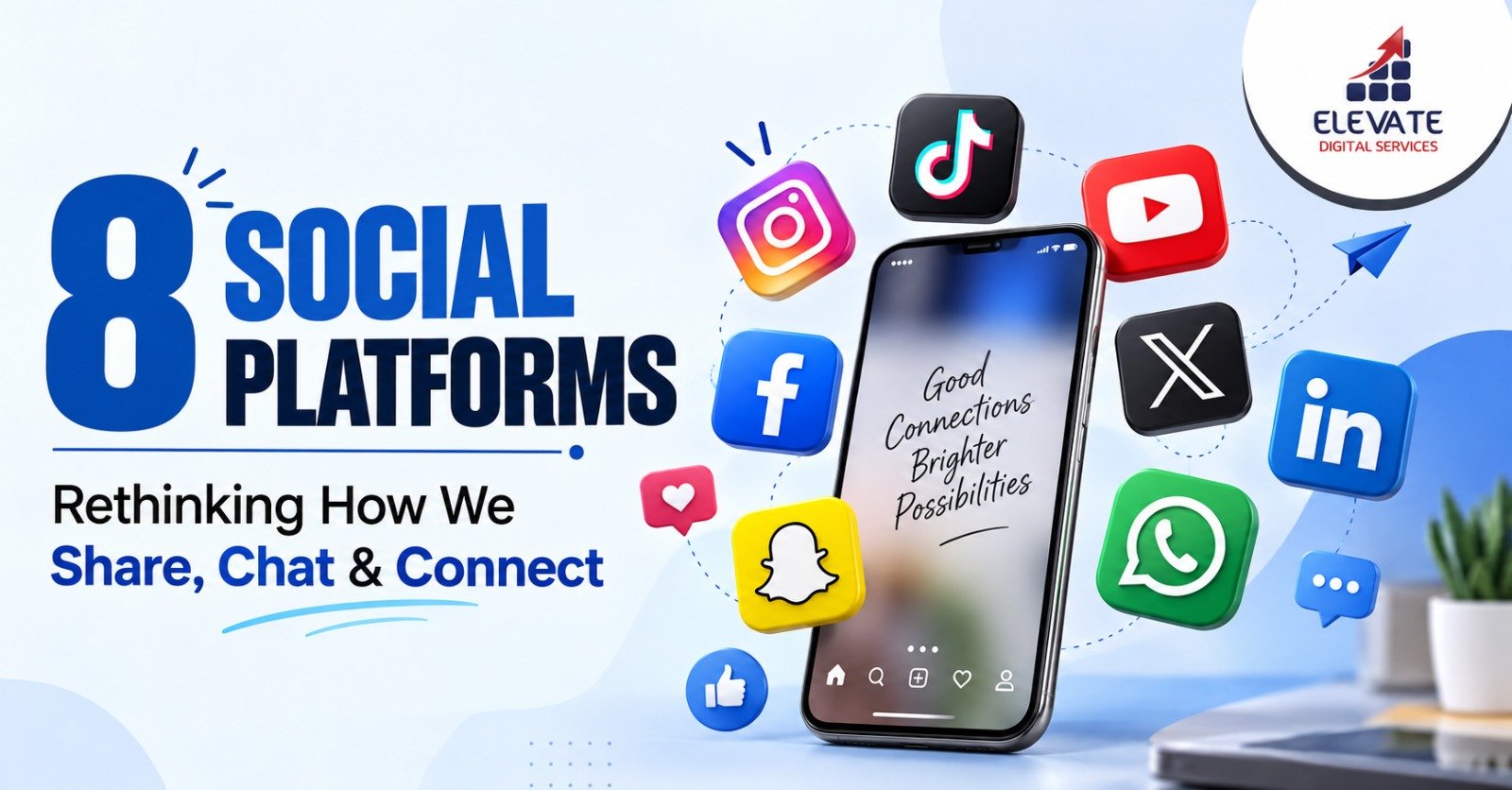
Social media has become a huge part of how people discover content, follow trends, promote businesses and stay connected. But the familiar names are...
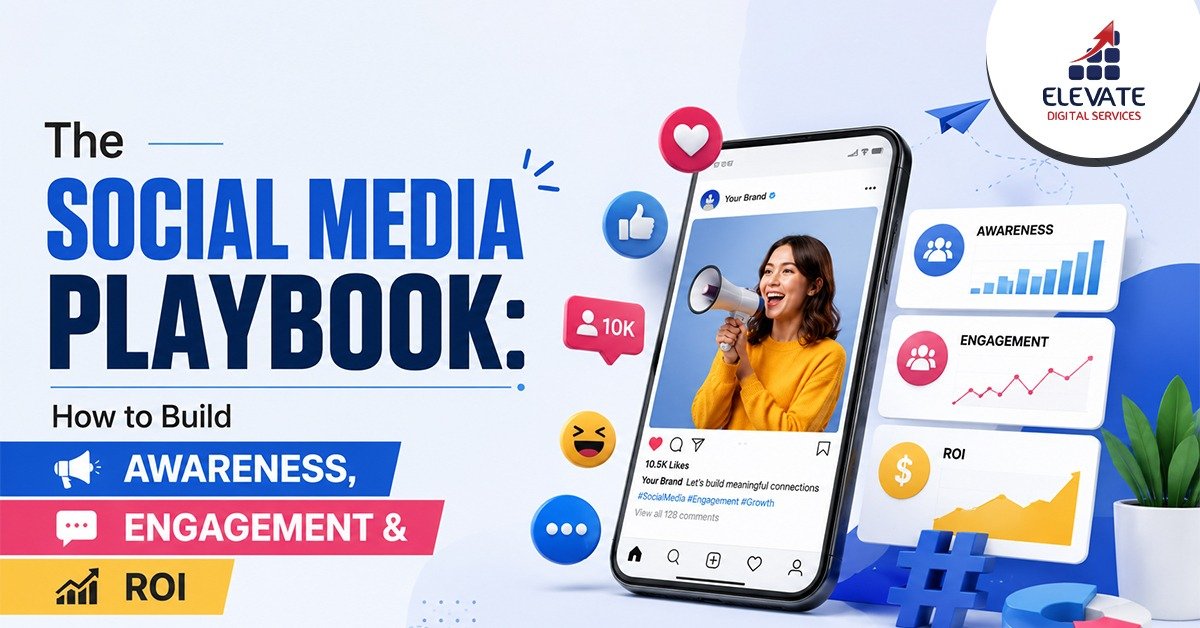
Posting regularly is easy. Building a social media presence that people actually remember, engage with and eventually buy from? That takes a little more...