June 19, 2026
Winning a new customer often costs more than keeping an existing one. That is why many businesses focus on building stronger relationships with existing...

Posting regularly is easy.
Building a social media presence that people actually remember, engage with and eventually buy from? That takes a little more thought.
A good social media strategy connects what your brand wants to achieve with what your audience actually wants to see. It gives every platform, campaign and piece of content a clear purpose.
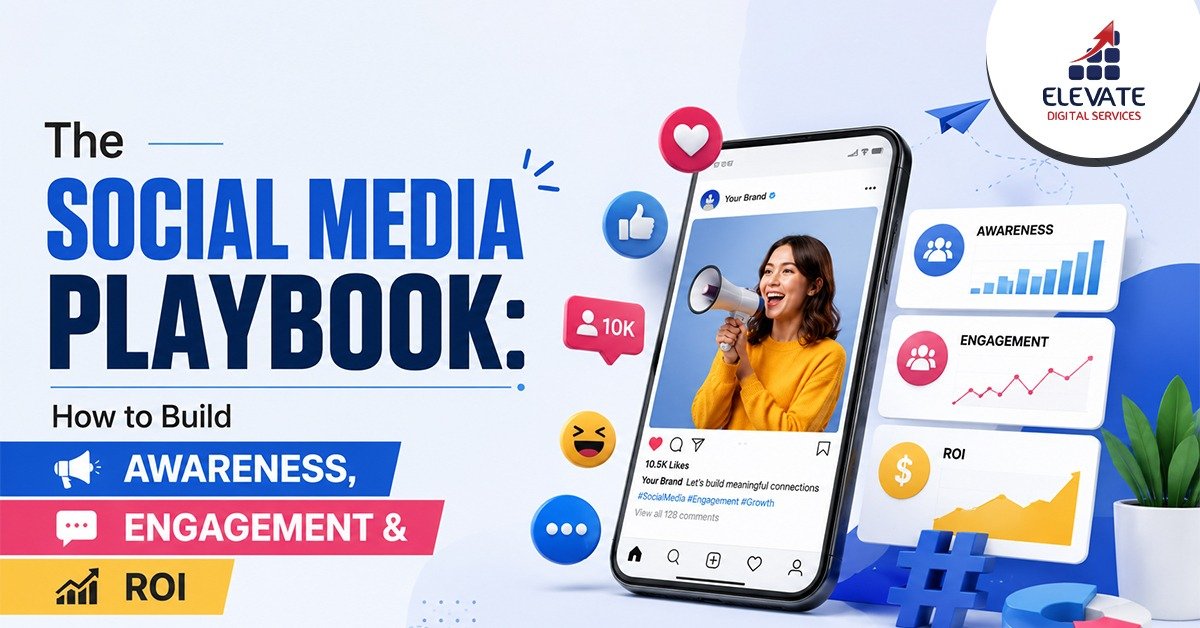
That is where a social media marketing company in Dubai can help. The right strategy can turn scattered posts into a system built around three things: awareness, engagement and measurable business results.
So, where do you start?
Before planning your first Reel or writing a single caption, decide what you want social media to achieve.
“Get more followers” is a goal, but it may not tell you much about business growth.
Instead, set SMART goals that are:
A social media feed should not feel like a collection of random ideas.
Instead, create a few content pillars that give your brand consistency.
For example, a B2B brand could build its content around:
A consumer brand might focus on:
Then, balance the content instead of trying to sell in every post.
People may discover your brand through an educational Reel, remember it because of a useful carousel and eventually become a customer after seeing a product demonstration.
That journey takes time. Your content should support it.
Getting someone to see your post is one thing.
Getting them to stop, think and respond is another.
Engagement can include:
However, don’t chase engagement for its own sake.
A funny post might generate hundreds of comments but do little for your business. Meanwhile, a useful industry guide might get fewer likes but several high-quality enquiries.
So, ask a better question:
Did this interaction move the audience closer to the brand?
You don’t need to be everywhere.
You need to be where your audience is and where your content makes sense.
For example:
Instagram can work well for visual storytelling, short-form video and product-focused content.
Facebook can support community building, local audiences and paid campaigns.
LinkedIn can be particularly useful for B2B brands, professional audiences and thought leadership.
YouTube can support longer educational, explainer and product-focused content.
The best platform mix depends on your audience, industry, goals and resources.
This is one area where a social media agency in Dubai can add value. Instead of simply recommending every major platform, a good agency should help you decide where your time and budget are most likely to make sense.
Organic content is only one part of the picture.
Paid social can help you put specific content in front of carefully defined audiences.
You might use paid campaigns to:
However, don’t start with the budget.
Start with the objective.
Then decide the audience, creative, offer, landing page and measurement approach.
And if you’re comparing the Facebook ads and Instagram Marketing Price in Dubai, look beyond the management fee alone. Consider the advertising budget, creative production, targeting, campaign setup, optimisation and reporting included in the overall cost.
Someone sees your social post.
They click.
Then what?
If the landing page is confusing, slow or difficult to use, the social campaign can lose momentum quickly.
Your website and social media should work together.
That could mean sending users to:
The experience should feel connected from the first click.
This is also why social media teams sometimes need to work closely with a Web Development Company in Dubai. Your social campaigns may attract the visitor, but your website often has the next job.
Video can give your social strategy another dimension.
Short-form videos can explain products, answer questions, show behind-the-scenes moments or introduce the people behind your business.
Longer videos can support education, product demonstrations, testimonials and brand storytelling.
The important part is to match the video to the goal.
A leading video production house in the UAE can help turn an idea into polished content, but the video should still fit into the wider social strategy.
In other words, don’t create a great video simply because you can.
Create one because you know what it needs to do.
This is where the playbook becomes a cycle.
You plan.
You publish.
You measure.
Then you improve.
Look at metrics such as:
The right metrics depend on the goal.
If you’re building awareness, reach and impressions may matter more.
If you’re generating leads, enquiries and conversion rates become more useful.
And if you’re running paid campaigns, cost per lead or cost per conversion can tell you much more than likes ever will.
Sometimes, the best social media lessons come from campaigns outside your industry.
The 2026 FIFA World Cup offers plenty of examples of how brands can use major events, cultural moments and audience attention to build marketing campaigns.
We recently broke down some of those lessons in The Marketing Playbook Hidden Inside the 2026 FIFA World Cup.
It is worth a read if you want to see how big-event marketing can translate into ideas businesses can actually use.
A strong social media strategy is never just a list of posts waiting to be published.
It is a cycle:
Set the goal → Know the audience → Create the content → Build engagement → Measure the results → Improve the strategy
That is how social media can move beyond simply keeping your brand active.
And if you’re looking for a social media marketing company in Dubai, we at Elevate Digital Services can help you build a strategy that connects your social presence with the bigger picture, from content and campaigns to websites and measurable business results.
1. What should a social media strategy include?
A social media strategy should define your goals, target audience, platforms, content approach, publishing plan, paid campaigns and key performance metrics.
2. How often should a business post on social media?
There is no universal number. Posting frequency should depend on the platform, audience, content quality and resources available. A consistent schedule that the business can maintain is more useful than posting frequently without a clear purpose.
3. Which social media platform is best for businesses?
It depends on the audience and business goals. LinkedIn can suit many B2B businesses, while Instagram and Facebook can work well for visual, consumer and local campaigns. YouTube can be useful for longer educational and video-led content.
4. How can social media increase brand awareness?
Consistent content can help more relevant audiences discover a brand, understand what it offers and remember it over time. Paid campaigns can also extend reach to selected audiences.
5. How do you measure social media ROI?
Start by connecting the campaign to a measurable business outcome, such as leads, sales or website conversions. Then compare the resulting value with the costs involved in running the campaign.
6. Should businesses use both organic and paid social media?
They can complement each other. Organic content can build a consistent brand presence and audience relationship, while paid campaigns can support specific goals such as reach, traffic or lead generation.
Winning a new customer often costs more than keeping an existing one. That is why many businesses focus on building stronger relationships with existing...
YouTube is no longer just a video platform. It has become one of the world’s largest search and discovery engines. Research from Pew Research...
TikTok is not just another social platform. It is a cultural engine. Trends start here. Sounds explode here. Brands either adapt here, or disappear...