September 8, 2026
Social media has become a huge part of how people discover content, follow trends, promote businesses and stay connected. But the familiar names are...


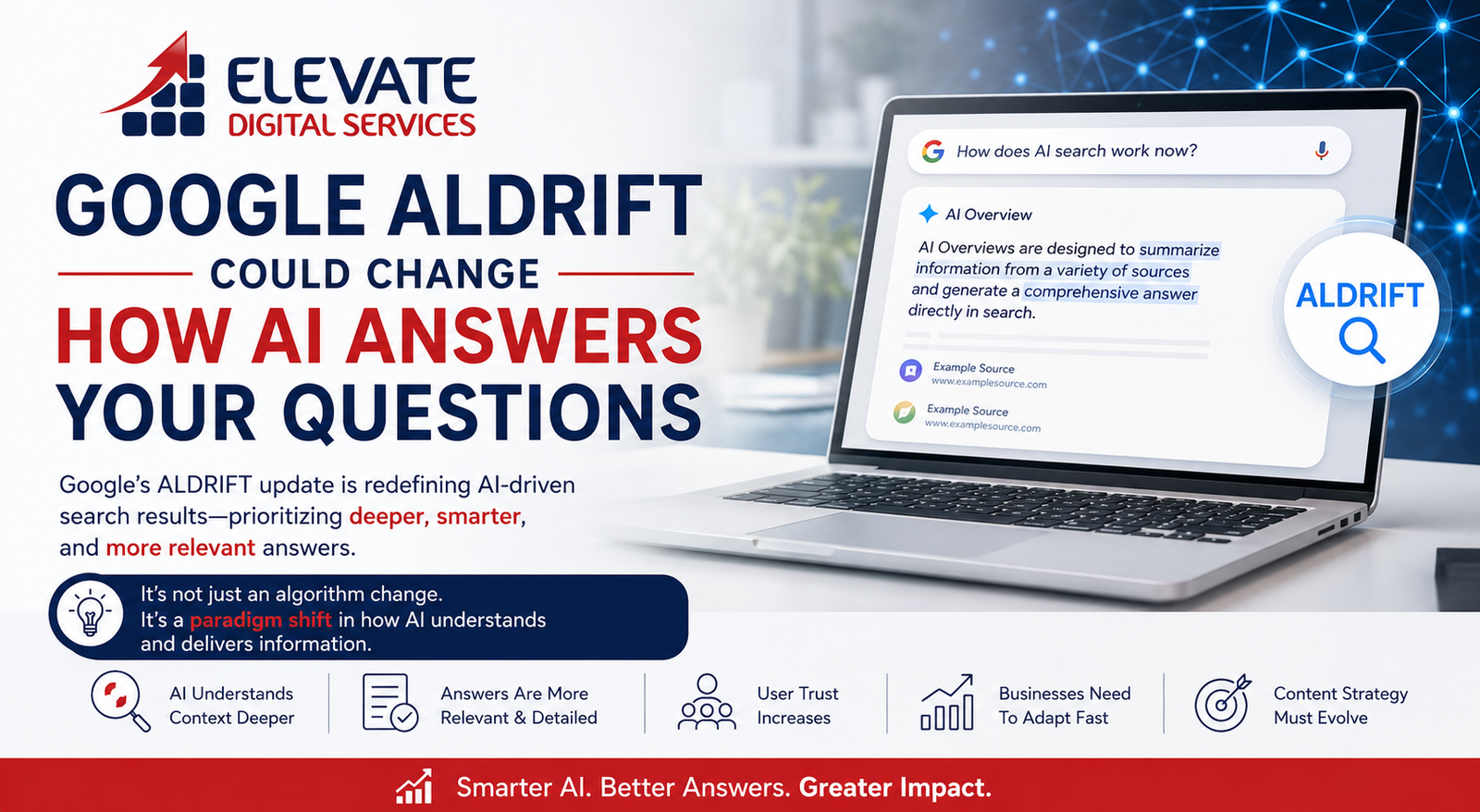
AI tools can write fast answers in seconds. Still, many of those answers only sound smart. They may look polished, but fall apart when someone tries to use them in real life. That is where Google ALDRIFT enters the picture.
For brands that rely on strong content, search visibility, and trust, this matters. In fact, many providers of Digital marketing services in Dubai, UAE are paying close attention to how AI-generated answers evolve inside search platforms.
Google’s research points toward a bigger goal. AI answers should not just summarise information. They should help people make decisions, solve problems, and complete tasks that make sense from start to finish.
And yes, that is a much harder challenge.
Large language models are good at predicting words. However, prediction alone does not always lead to correct answers.
An AI tool may:
Yet the output can still contain weak logic or broken reasoning.
Researchers often call this the “plausibility problem.” The answer looks right. Still, it may not work outside the chat window.
Google ALDRIFT attempts to reduce that gap.
According to Google Research, the framework explores ways to guide AI systems toward answers that are useful as complete solutions instead of polished guesses.
Google ALDRIFT is a research framework focused on improving how AI models search for better answers.
Instead of only rewarding fluent writing, the framework also tries to preserve paths that may lead to stronger solutions later in the process.
In simple terms, the system avoids locking itself into weak answers too early.
That matters because AI systems often “drift” toward responses that sound good on the surface while losing track of more useful outcomes.
One of the more interesting ideas in the research is called coarse learnability.
Sounds technical. The idea is simpler than the name.
The model does not need to learn the perfect answer immediately. Instead, it should avoid cutting off promising directions too soon.
Think of it like using a map app.
If the app removes every alternate road after the first turn, you may never find the fastest route. ALDRIFT tries to keep multiple useful paths open long enough to discover better answers.
That approach matters for:
As AI tools move deeper into search, this becomes more important for businesses and users alike.
ALDRIFT also introduces a correction step.
This part keeps the model closer to the intended target while it searches for improved answers.
Without correction, AI systems may slowly drift away from the original goal. The response may become polished but less useful.
The correction layer acts like a checkpoint.
It pulls the process back toward answers that still solve the core problem.
That may sound small. Still, it solves one of the biggest frustrations people have with AI systems right now.
You ask one question.
Then somehow the AI ends up confidently explaining something half-related three paragraphs later. Classic internet behaviour, just with more computing power.
The paper includes experiments using GPT-2 in scheduling and graph-related tasks.
The findings support the framework in controlled settings. However, researchers do not claim this proves the same behaviour exists in modern large language models.
That distinction matters.
Google has not confirmed ALDRIFT as a production search system. Still, the research shows clear movement toward AI answers that aim for usefulness instead of surface-level fluency.
You can read more on this directly from Google Research and related publications from Google DeepMind.
People no longer want ten blue links and a scavenger hunt when searching. They want direct answers that help them move forward.
That shift affects:
A strong SEO Company in Dubai now needs to think beyond rankings alone. Content must support context, accuracy, and usefulness.
The same applies to every social media marketing company in Dubai and every web Development Company in Dubai building AI-ready digital experiences.
At Elevate Digital Services, we help brands adapt to search trends that keep changing faster than smartphone chargers.
Because if AI becomes better at filtering weak content, brands will need stronger strategy, cleaner messaging, and better user-focused experiences to stand out.
Google ALDRIFT may still be research. Still, the direction is clear.
AI answers are moving beyond sounding plausible. They are being pushed toward producing outcomes that hold together from beginning to end.
That shift could reshape how people search, learn, and make decisions online.
For businesses offering Digital marketing services in Dubai, UAE, this is an early signal of how search quality may evolve over the next few years.
Want your brand ready for the next phase of AI-driven search?
Elevate Digital Services helps businesses build SEO, content, and digital growth strategies built for where search is heading next.
Social media has become a huge part of how people discover content, follow trends, promote businesses and stay connected. But the familiar names are...
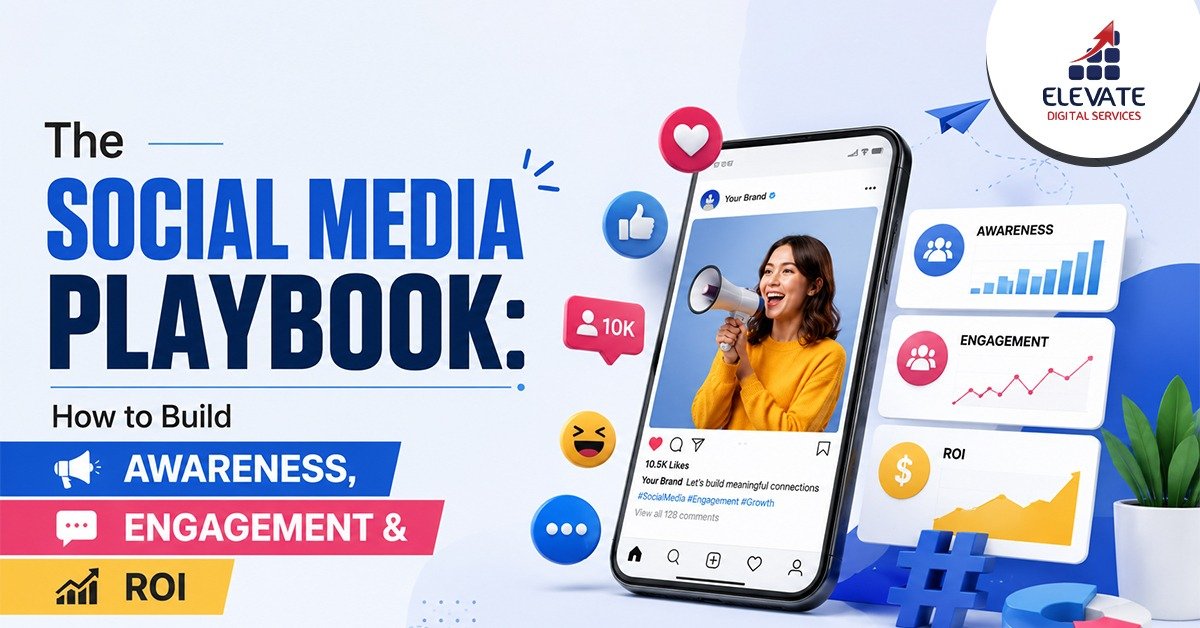
Posting regularly is easy. Building a social media presence that people actually remember, engage with and eventually buy from? That takes a little more...

Scroll through social media for long enough and you will probably see one. A hyper-realistic product shot. A surreal campaign visual. A fictional character...